User Research
Speculative Design
Co-Design
3D Prototyping
Speculative Futures of AI in Art
A co-design exploration with artists, transforming field research and workshops into speculative design artefacts that question creative agency and collaboration with AI.
Project Details
Role
Sole Designer & Researcher
Duration
4 months (Feb – Jun 24)
Institution
Malmö University, Malmö Municipality
This thesis project applied Speculative and Participatory Design to critically explore the futures of AI in art. Through field research, interviews, and two co-design workshops with artists at Malmö City Library, the project resulted in a public exhibition of four speculative scenarios and a tangible prototype that explored the relationship between artists and AI. Presented as short stories with AI-generated visuals, the work sparked critical debate on generative AI tools and their implications for creative practice.
Outcome

An exhibition at Malmö City Library presenting four speculative futures of AI in art, each combining short stories with AI-generated visuals and a 3D prototype of the “AI Muse” headset, inviting visitors to reflect on creativity and machine collaboration.
Design Challenge
How might we speculate through design about the relationship between AI, art, and creatives in society in the present and future?
Process
Field Research & Interviews
“For me creating art is so physical. We are bodies, intelligent bodies, […] and I don’t think AI can reach that.”
Interviewee 6,
fine artist exhibiting in Sweden and across Europe
Conducted field research in Malmö’s art schools and galleries, along with 7 semi-structured interviews with artists, to explore how they adopt, resist, and critically reflect on AI.
Co-Design Workshop
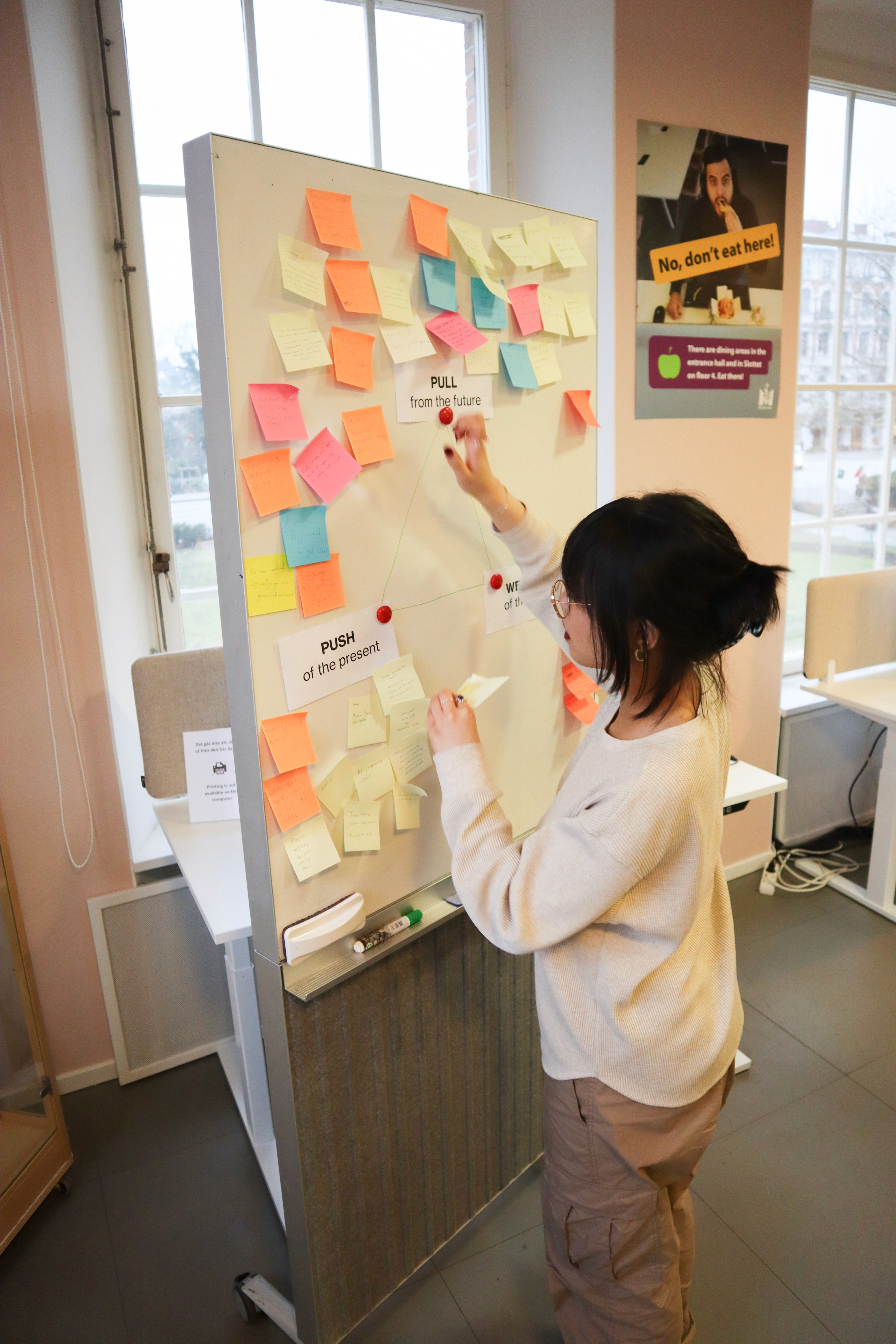
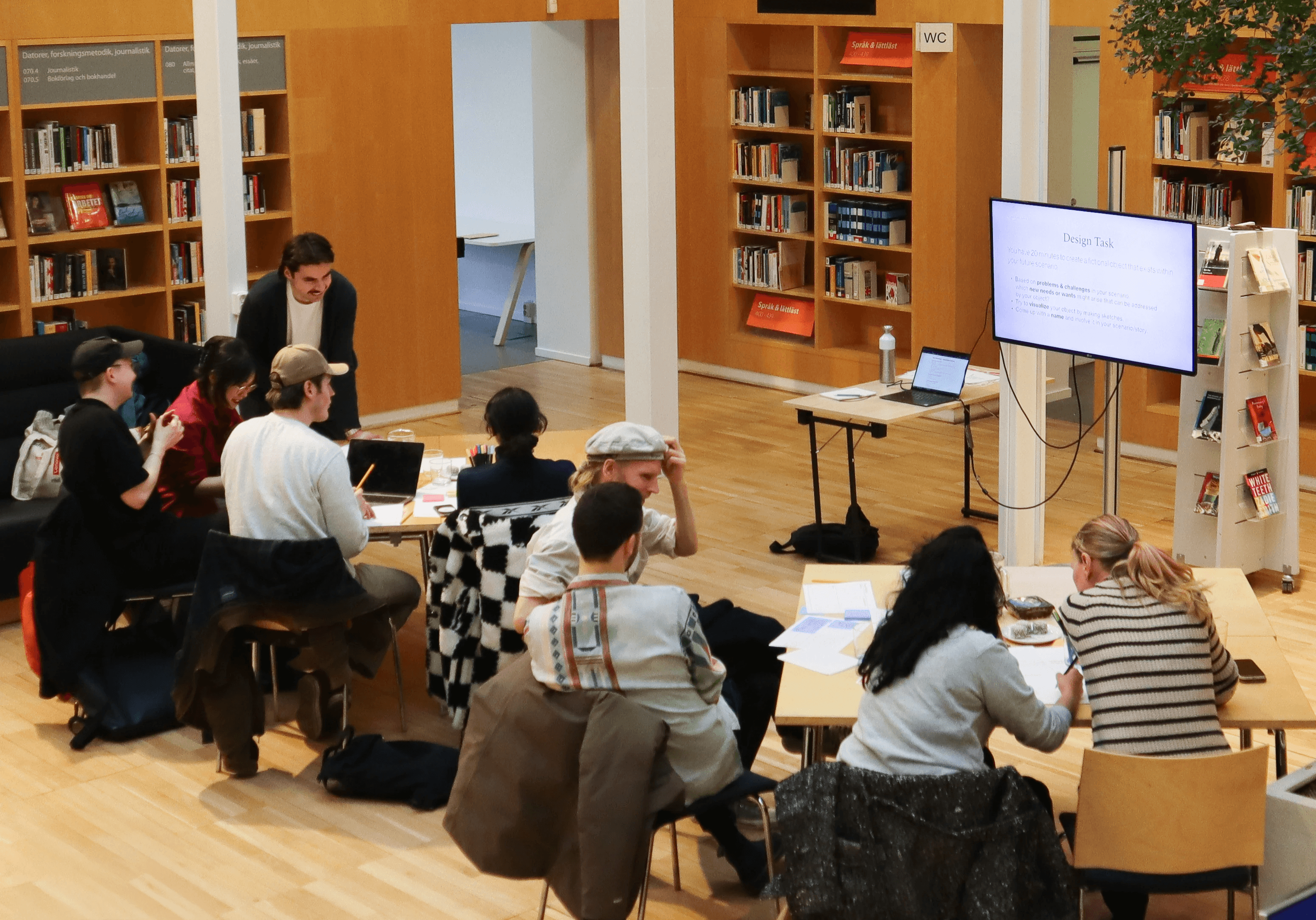
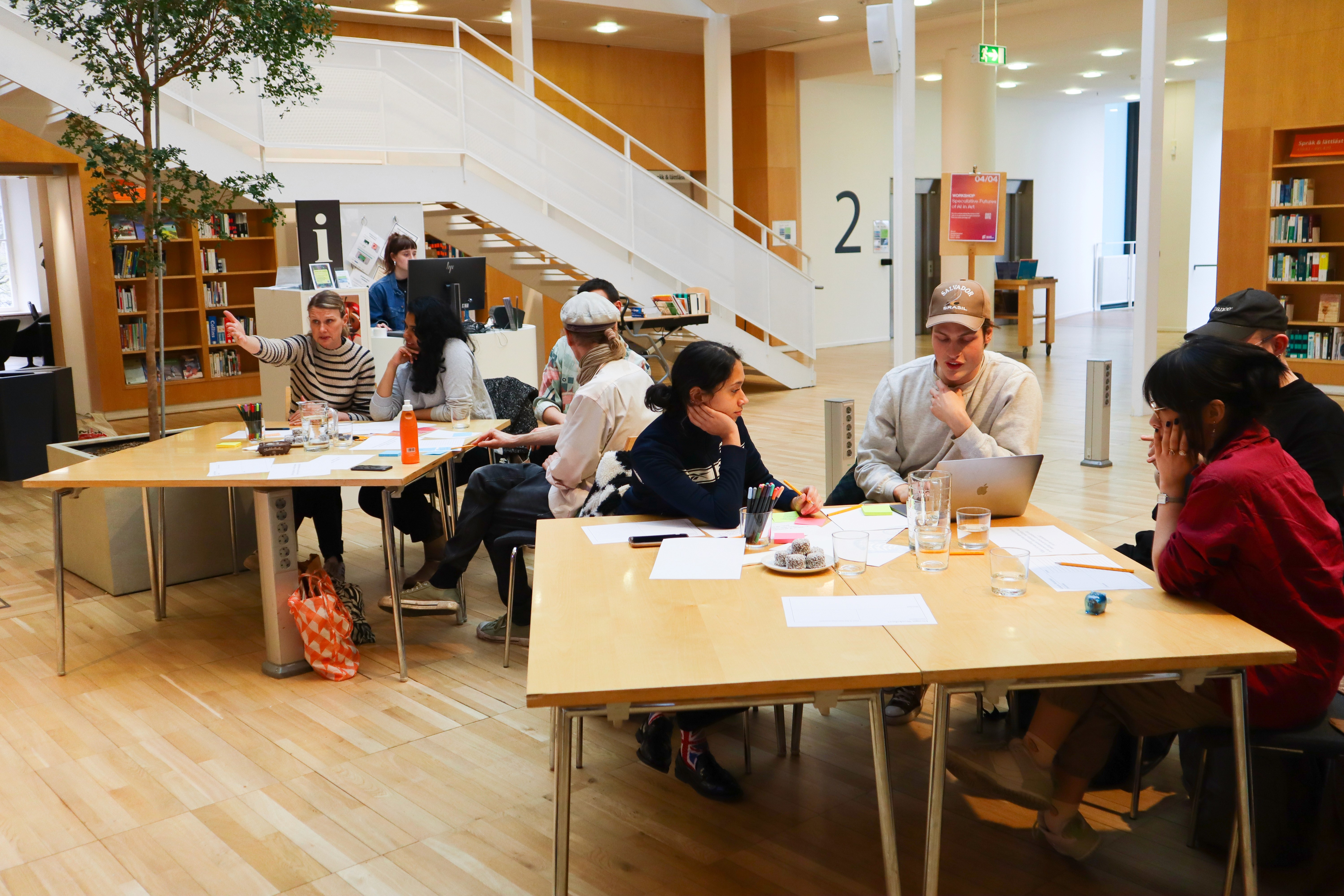
Facilitated a workshop at the Malmö City Library where artists used Futures Triangle and Futures Cone exercises to map how AI might shape creative practice and imagine preferable futures.
Speculative Design Workshop
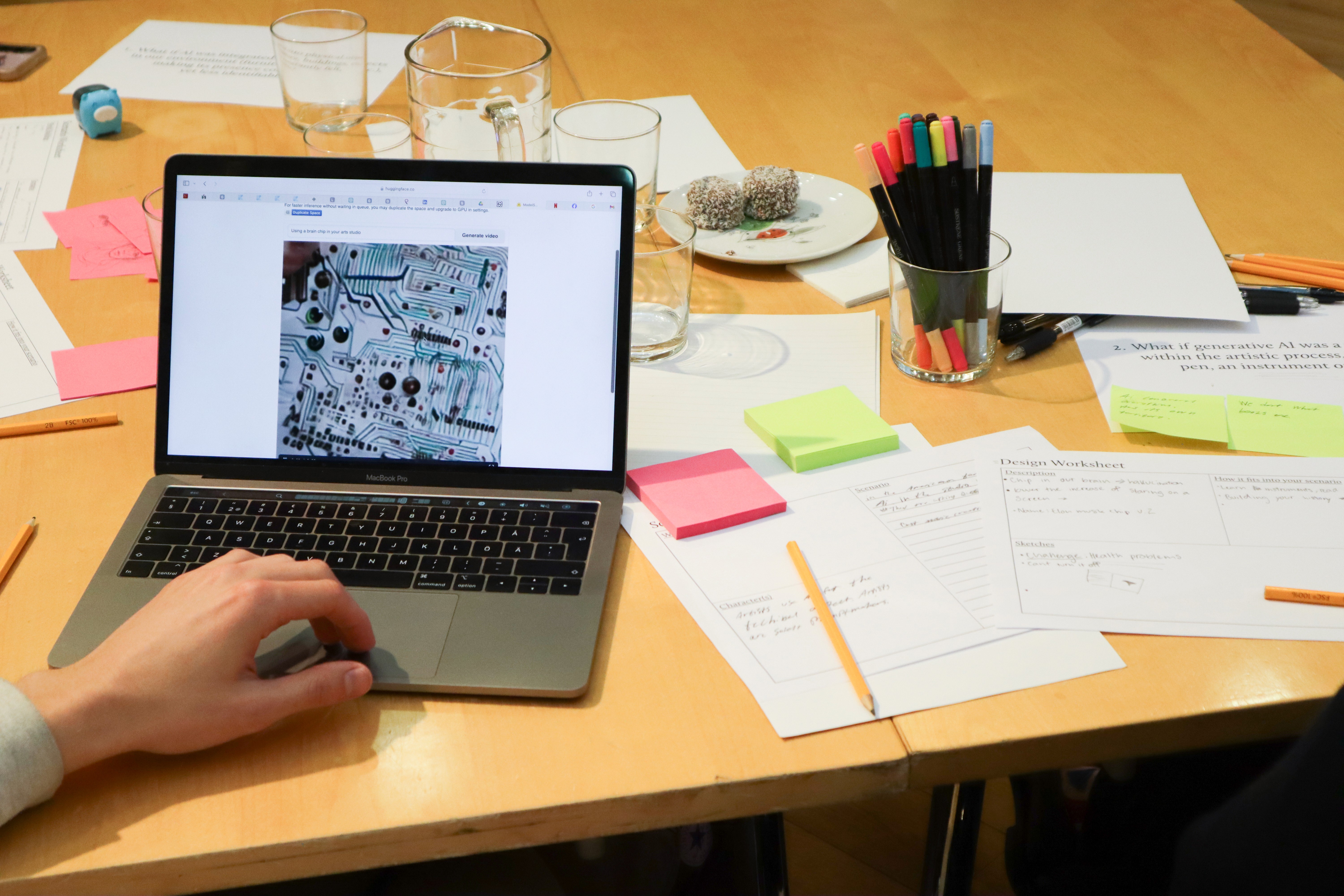
Led a second workshop, where Artists transformed their mapped futures into fictional design artefacts and narratives, from intelligent tools to AI-free creative movements. These stories became the foundation for four speculative scenarios that informed the design fiction phase of the project.
Design Fiction
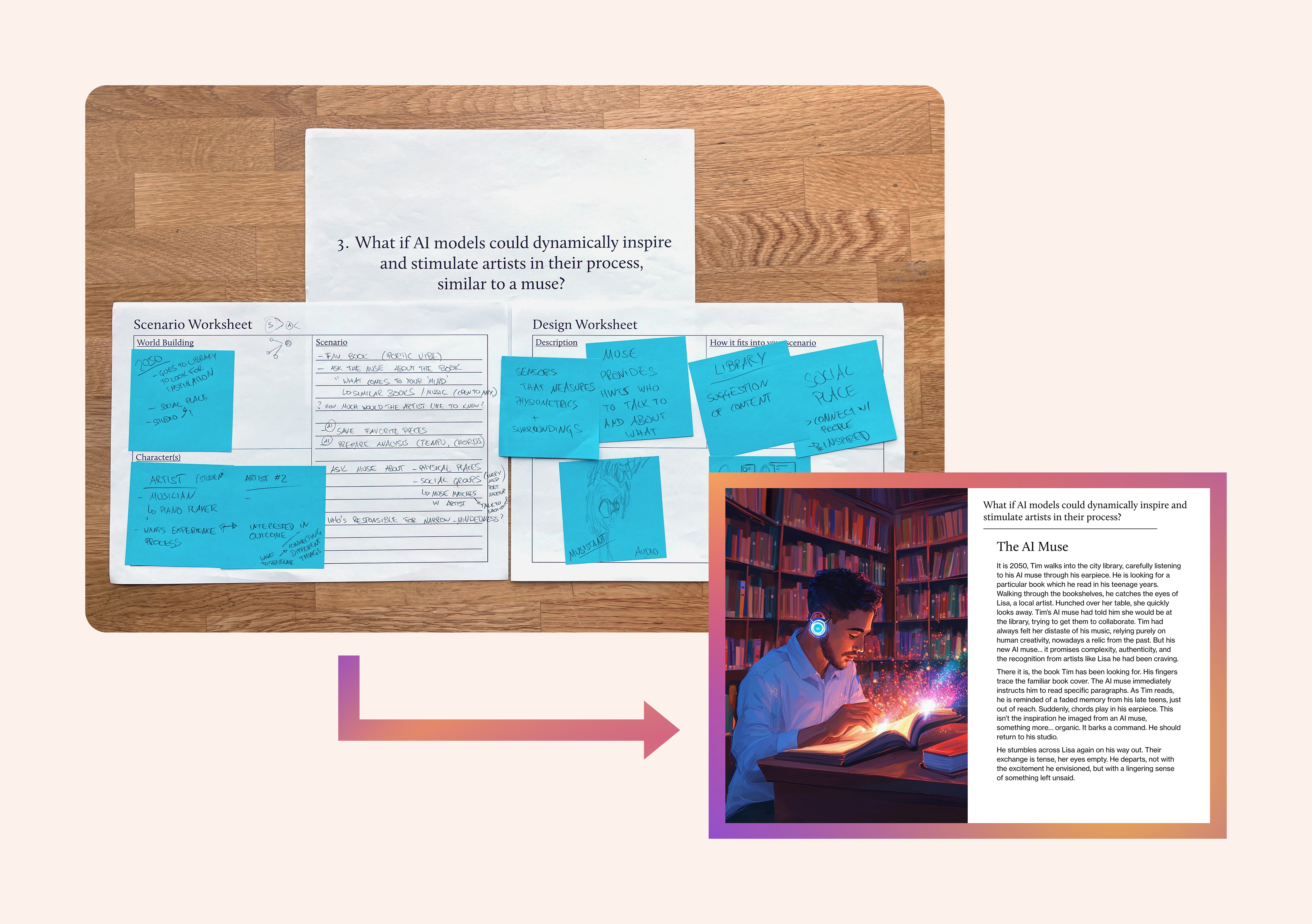
Refined the scenarios into four short stories paired with AI-generated visuals using Stable Diffusion 3, preparing them for exhibition display.
3D Prototype Iteration
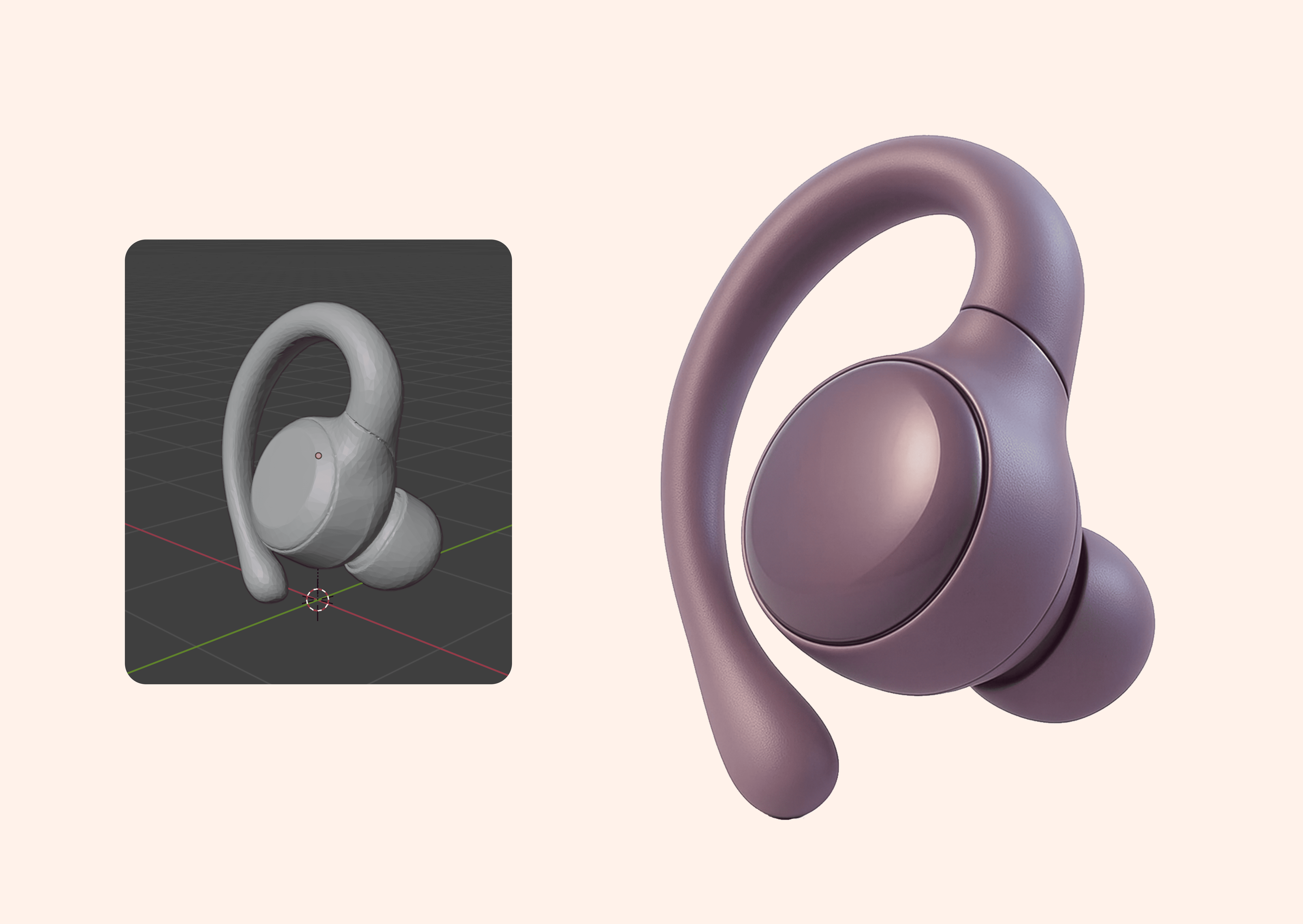
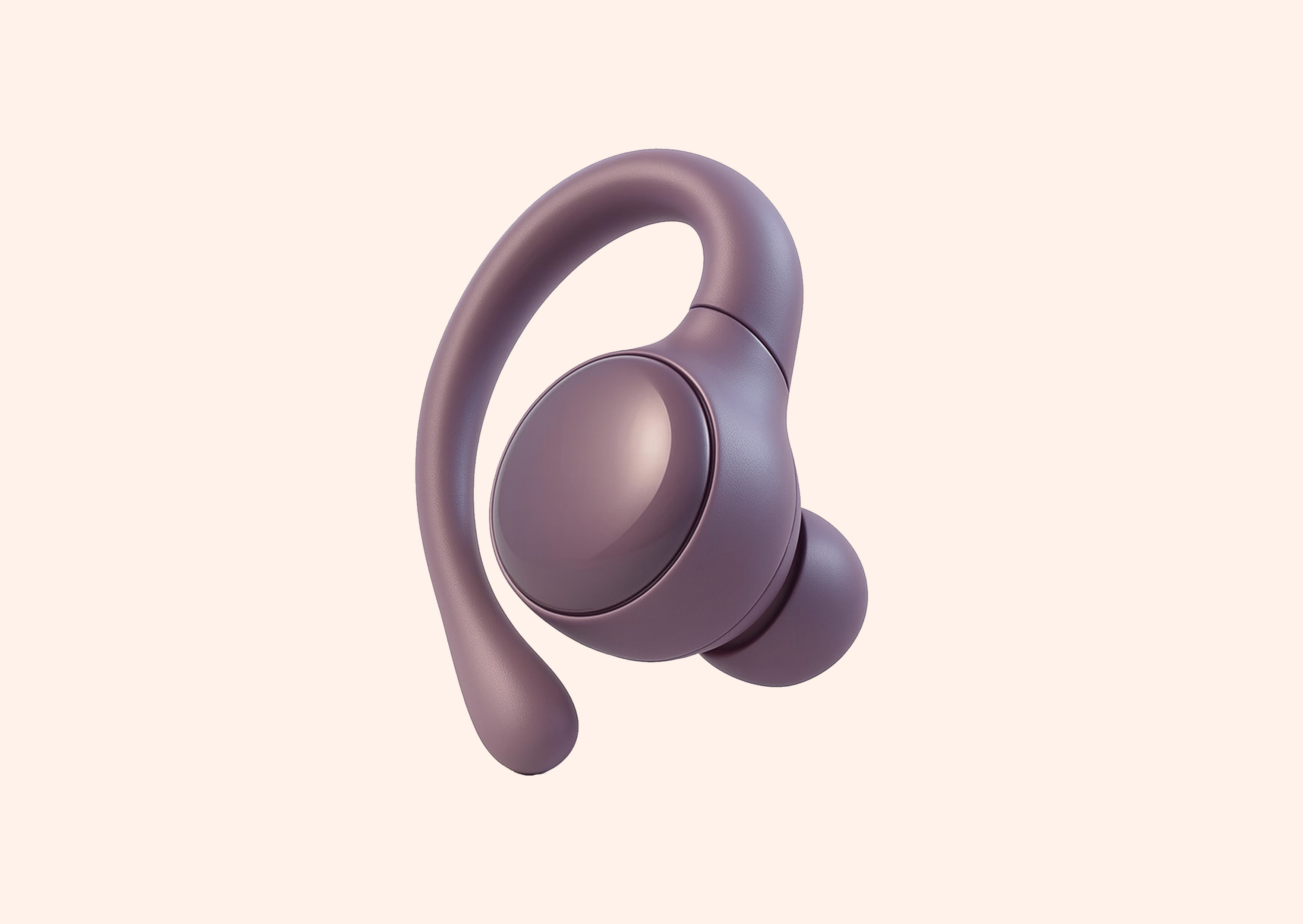
Developed a 3D prototype of the “AI Muse” headset to make the concept tangible, iterating its form in Blender and its conceptual interactivity.
Final Outcome
The exhibition presented four speculative futures through stories and visuals. Following the project, I developed a conceptual 3D prototype of the “AI Muse” headset to explore how tangible and haptic qualities could support artists’ creative control when working with AI tools.
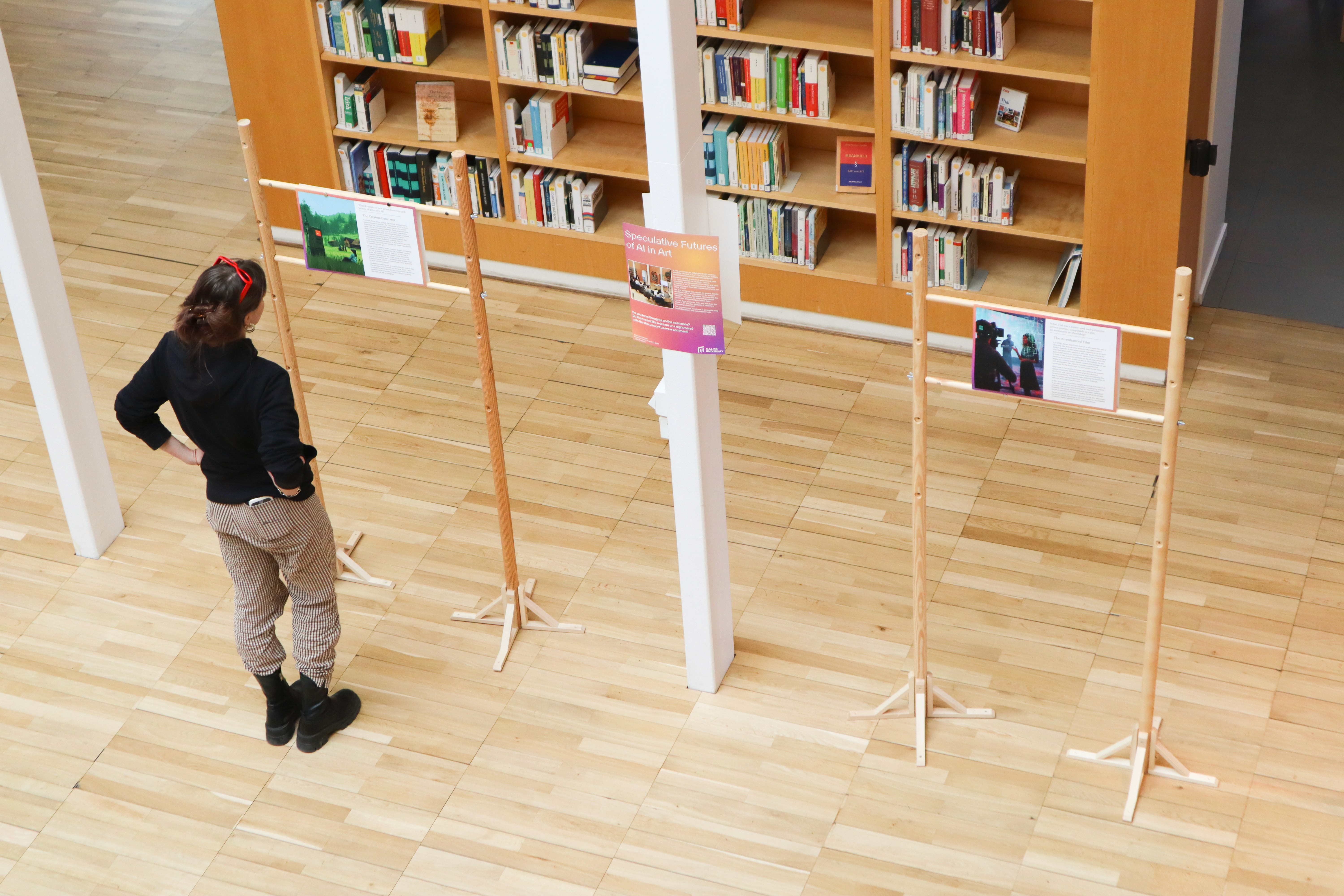
Four Speculative Futures and Design Artefacts
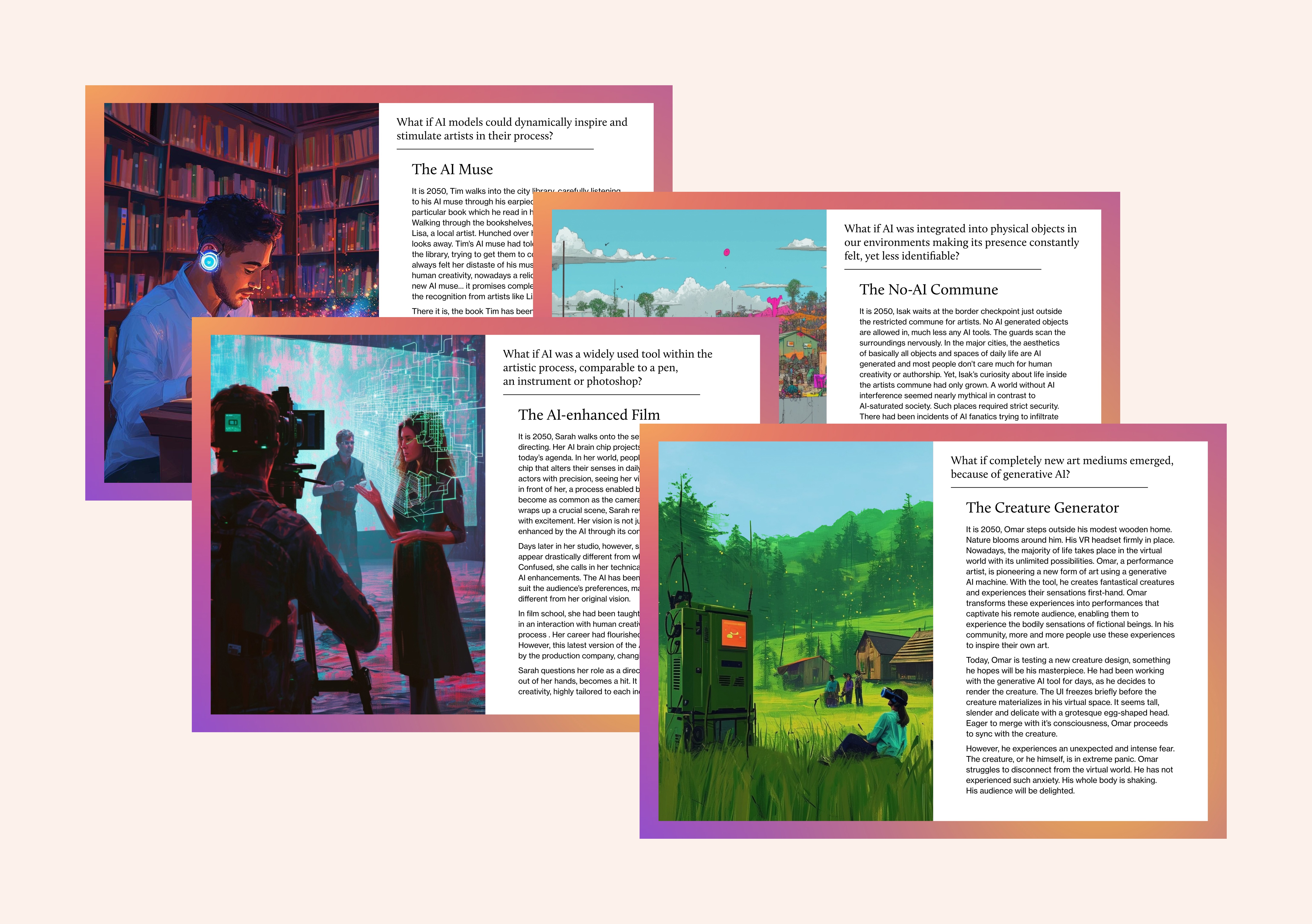
Each poster visualized a different artist–AI relationship, from collaboration to resistance, encouraging visitors to imagine alternative creative futures.
AI Muse Scenario

“The AI Muse” envisioned an artist wearing an intelligent headset that translates emotion and gesture into inspiration, questioning authorship and agency in co-creation.
AI Muse Prototype
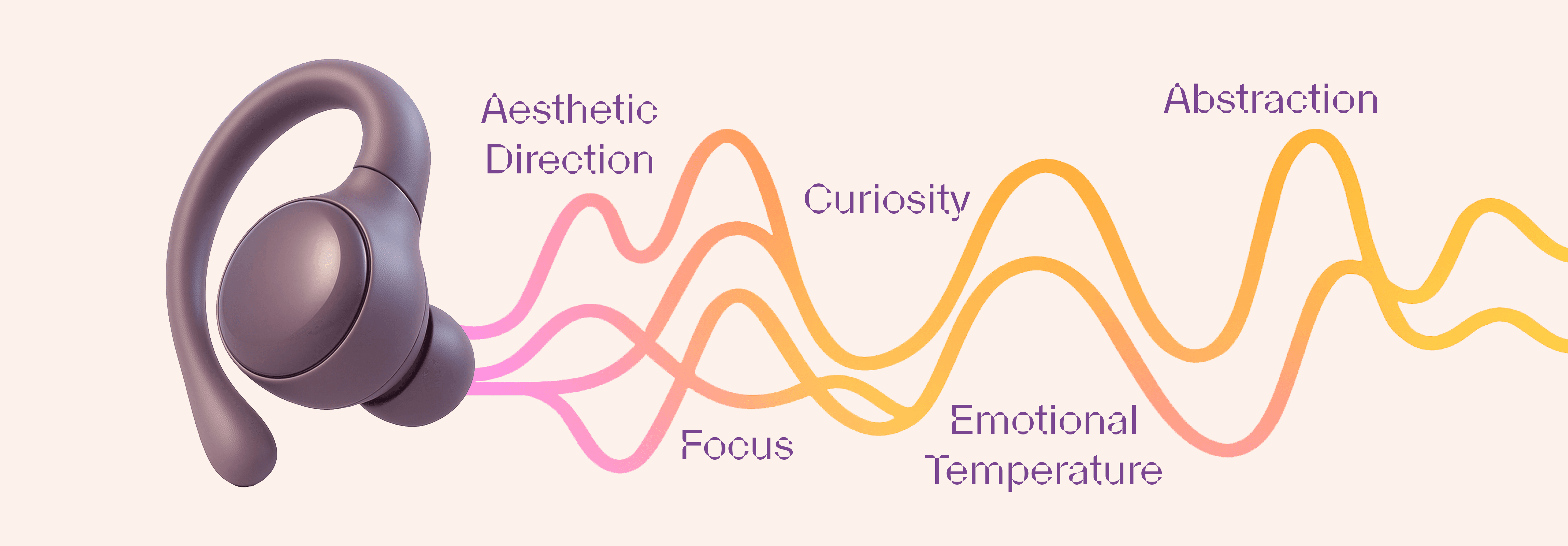
Developed a 3D prototype of the “AI Muse” headset in Blender, exploring haptic feedback and physical manipulation to emphasize the tactile control artists need from their tools.
Reflection

This project showed how speculative and co-design methods can open critical conversations around emerging technologies. Turning abstract ideas into visual and narrative artefacts made complex questions about AI more accessible and engaging.
User Research
Speculative Design
Co-Design
3D Prototyping
Speculative Futures of AI in Art
A co-design exploration with artists, transforming field research and workshops into speculative design artefacts that question creative agency and collaboration with AI.
Project Details
Role
Sole Designer
Duration
4 months
(Feb - Jun 25)
Institution
Malmö University, Malmö Municipality
This thesis project applied Speculative and Participatory Design to critically explore the futures of AI in art. Through field research, interviews, and two co-design workshops with artists at Malmö City Library, the project resulted in a public exhibition of four speculative scenarios and a tangible prototype that explored the relationship between artists and AI. Presented as short stories with AI-generated visuals, the work sparked critical debate on generative AI tools and their implications for creative practice.
Outcome
An exhibition at Malmö City Library presenting four speculative futures of AI in art, each combining short stories with AI-generated visuals and a 3D prototype of the “AI Muse” headset, inviting visitors to reflect on creativity and machine collaboration.
Design Challenge
How might we speculate through design about the relationship between AI, art, and creatives in society in the present and future?
Process
Field Research & Interviews
“For me creating art is so physical. We are bodies, intelligent bodies, […] and I don’t think AI can reach that.”
Interviewee 6,
fine artist exhibiting in Sweden and across Europe
Conducted field research in Malmö’s art schools and galleries, along with 7 semi-structured interviews with artists, to explore how they adopt, resist, and critically reflect on AI.
Co-Design Workshop
Facilitated a workshop at the Malmö City Library where artists used Futures Triangle and Futures Cone exercises to map how AI might shape creative practice and imagine preferable futures.
Speculative Design Workshop
Led a second workshop, where Artists transformed their mapped futures into fictional design artefacts and narratives, from intelligent tools to AI-free creative movements. These stories became the foundation for four speculative scenarios that informed the design fiction phase of the project.
Design Fiction
Refined the scenarios into four short stories paired with AI-generated visuals using Stable Diffusion 3, preparing them for exhibition display.
3D Prototype Iteration
Developed a 3D prototype of the “AI Muse” headset to make the concept tangible, iterating its form in Blender and its conceptual interactivity.
Final Outcome
The exhibition presented four speculative futures through stories and visuals. Following the project, I developed a conceptual 3D prototype of the “AI Muse” headset to explore how tangible and haptic qualities could support artists’ creative control when working with AI tools.
Four Speculative Futures and Design Artefacts
Each poster visualized a different artist–AI relationship, from collaboration to resistance, encouraging visitors to imagine alternative creative futures.
AI Muse Scenario
“The AI Muse” envisioned an artist wearing an intelligent headset that translates emotion and gesture into inspiration, questioning authorship and agency in co-creation.
AI Muse Prototype
Developed a 3D prototype of the “AI Muse” headset in Blender, exploring haptic feedback and physical manipulation to emphasize the tactile control artists need from their tools.
Reflection
This project showed how speculative and co-design methods can open critical conversations around emerging technologies. Turning abstract ideas into visual and narrative artefacts made complex questions about AI more accessible and engaging.
User Research
Speculative Design
Co-Design
3D Prototyping
Speculative Futures of AI in Art
A co-design exploration with artists, transforming field research and workshops into speculative design artefacts that question creative agency and collaboration with AI.
Project Details
Role
Service & UX Designer
Digital touchpoints
Team project of 6
Duration
4 months (Feb – Jun 24)
Institution
Malmö University, Malmö Municipality
This thesis project applied Speculative and Participatory Design to critically explore the futures of AI in art. Through field research, interviews, and two co-design workshops with artists at Malmö City Library, the project resulted in a public exhibition of four speculative scenarios and a tangible prototype that explored the relationship between artists and AI. Presented as short stories with AI-generated visuals, the work sparked critical debate on generative AI tools and their implications for creative practice.
Outcome
An exhibition at Malmö City Library presenting four speculative futures of AI in art, each combining short stories with AI-generated visuals and a 3D prototype of the “AI Muse” headset, inviting visitors to reflect on creativity and machine collaboration.
Design Challenge
How might we speculate through design about the relationship between AI, art, and creatives in society in the present and future?
Process
Field Research & Interviews
“For me creating art is so physical. We are bodies, intelligent bodies, […] and I don’t think AI can reach that.”
Interviewee 6,
fine artist exhibiting in Sweden and across Europe
Conducted field research in Malmö’s art schools and galleries, along with 7 semi-structured interviews with artists, to explore how they adopt, resist, and critically reflect on AI.
Co-Design Workshop
Facilitated a workshop at the Malmö City Library where artists used Futures Triangle and Futures Cone exercises to map how AI might shape creative practice and imagine preferable futures.
Speculative Design Workshop
Led a second workshop, where Artists transformed their mapped futures into fictional design artefacts and narratives, from intelligent tools to AI-free creative movements. These stories became the foundation for four speculative scenarios that informed the design fiction phase of the project.
Design Fiction
Refined the scenarios into four short stories paired with AI-generated visuals using Stable Diffusion 3, preparing them for exhibition display.
3D Prototype Iteration
Developed a 3D prototype of the “AI Muse” headset to make the concept tangible, iterating its form in Blender and its conceptual interactivity.
Final Outcome
The exhibition presented four speculative futures through stories and visuals. Following the project, I developed a conceptual 3D prototype of the “AI Muse” headset to explore how tangible and haptic qualities could support artists’ creative control when working with AI tools.
Four Speculative Futures and Design Artefacts
Each poster visualized a different artist–AI relationship, from collaboration to resistance, encouraging visitors to imagine alternative creative futures.
AI Muse Scenario
“The AI Muse” envisioned an artist wearing an intelligent headset that translates emotion and gesture into inspiration, questioning authorship and agency in co-creation.
AI Muse Prototype
Developed a 3D prototype of the “AI Muse” headset in Blender, exploring haptic feedback and physical manipulation to emphasize the tactile control artists need from their tools.
Reflection
This project showed how speculative and co-design methods can open critical conversations around emerging technologies. Turning abstract ideas into visual and narrative artefacts made complex questions about AI more accessible and engaging.